Premier Roofing Contractors: Superior Solutions for Your Residence
Premier roofing contractors provide essential services that secure the longevity and durability of residential roofs. Their expertise and devotion to quality are visible through outstanding customer feedback and the use of premium materials. Homeowners often face issues when selecting the right contractor. Understanding the common services delivered and the traits that define these professionals can considerably influence this decision. What factors should be considered to secure a reliable choice?
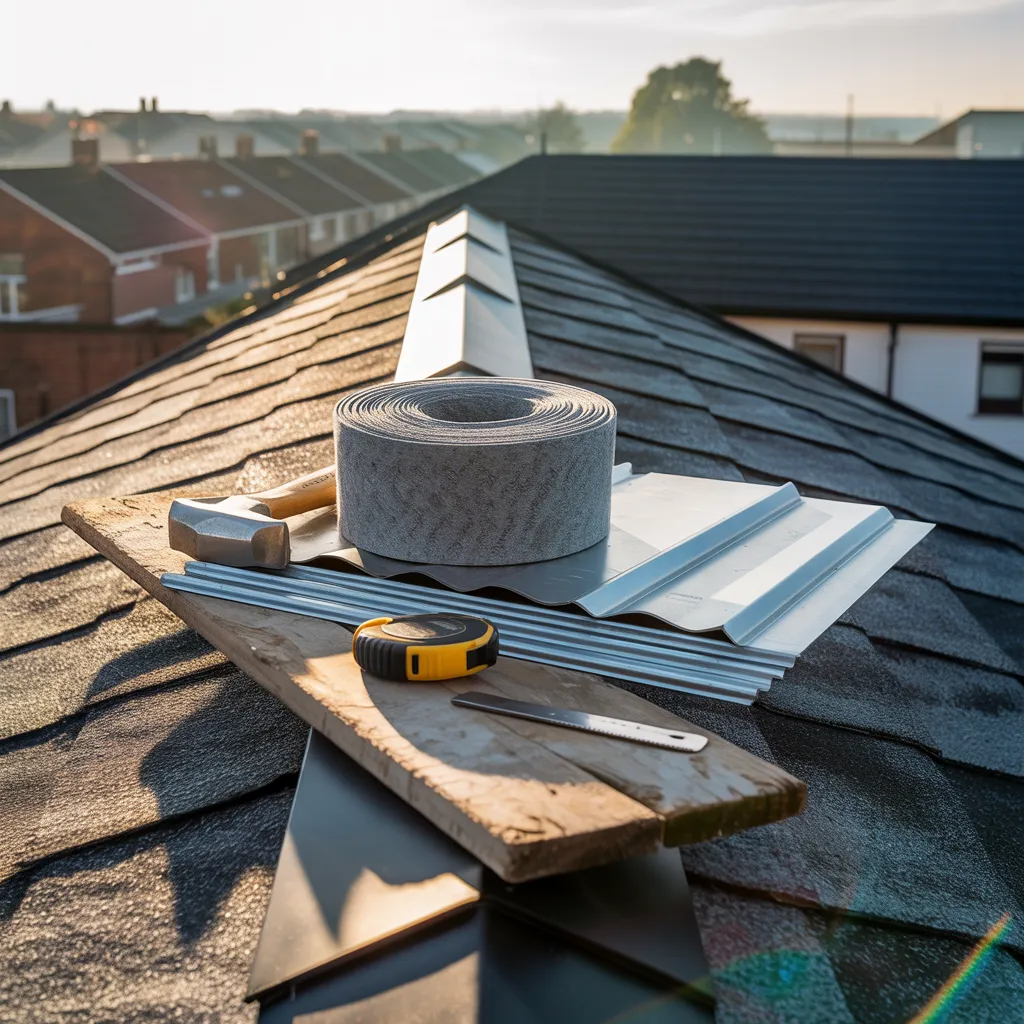
Why Choose Professional Roofing Contractors?
When homeowners deal with roofing concerns, picking top-rated roofing contractors can considerably determine the durability and quality of the restoration or replacement. These experts commonly possess a wealth of experience and expertise, ensuring that the work is executed to superior standards. Their reputation is generally built on favorable client reviews, which stands as a credible reflection of their quality and reliability.
Moreover, top-rated contractors are more apt to employ superior materials, which can increase the lifespan of the Roofers roof and minimize the chance of future problems. They also tend to offer warranties on their work, delivering homeowners with assurance. Beyond that, these professionals remain informed with industry standards and regulations, ensuring compliance and safety. At the end of the day, choosing premier roofing contractors can bring about a more smooth repair process, making certain that homeowners spend wisely in their property protection and value.
Typical Roofing Services Provided by Experts
Leading roofing contractors generally provide a spectrum of services intended to meet multiple roofing needs. Among the most popular services are roof inspections, which serve to discover prospective issues before they escalate into expensive repairs. Contractors also excel at roof repairs, resolving leaks, damaged shingles, and structural problems. For homeowners looking for a new appearance or improved operation, roof replacement services are often available, covering both material selection and installation.
Additionally, maintenance services, such as cleaning gutters and removing debris, are vital for prolonging the lifespan of a roof. Many contractors offer installation of roofing accessories, like ventilation systems and skylights, boosting energy efficiency and aesthetics. Additionally, some specialists provide emergency services for situations that require immediate attention, providing safety and security. In general, these services reflect the diverse expertise of top-rated roofing contractors, meeting the unique needs of homeowners.
Vital Features to Look For in Roofing Contractors
Finding the right roofing contractor necessitates meticulous analysis of numerous essential traits that can demonstrate dependability and proficiency. First, a reputable contractor should hold valid licensing and insurance, securing adherence to local regulations and defending homeowners from liability. Experience in the roofing industry is crucial, as it demonstrates proficiency in addressing diverse roofing systems and challenges.
Furthermore, a solid portfolio of past projects can display the contractor's work quality and precision. Communication skills are similarly paramount; a reliable contractor should be approachable, honest, and prepared to clarify the process thoroughly.
Additionally, favorable client feedback and reviews can provide insights into the contractor's trustworthiness and work quality. Ultimately, a pledge to using superior materials and extending warranties reflects a contractor's focus on sustained client happiness. By reviewing these attributes, homeowners can identify a trustworthy roofing contractor who will meet their needs effectively.
Key Questions to Ask Roofing Professionals?
What critical questions should homeowners raise when working with roofing contractors? First and foremost, they need to verify the contractor's licensing and insurance status to guarantee alignment with municipal standards and safeguarding from possible liabilities. Property owners must additionally ask about the contractor's experience, more precisely with the kind of roofing materials and configurations they plan to implement.
Additionally, understanding the expected timeline for project completion can assist in establish expectations. Homeowners should seek a thorough written estimate, outlining costs and payment schedules to avoid surprises later.
In addition, examining the warranty on both materials and workmanship is critical for enduring peace of mind. Homeowners should also request references from past clients to gauge satisfaction and reliability. Finally, discussing safety protocols and the handling of unanticipated issues can deliver insight into the contractor's professionalism and preparedness. These questions can significantly influence the selection of a qualified roofing contractor.
How to Assess Reviews of Roofing Contractors
Analyzing reviews of roofing contractors requires a thorough analysis of several key factors. It is vital to check overall ratings, analyze specific comments provided by earlier clients, and seek out consistent patterns in feedback. This organized approach can enable homeowners make informed decisions when choosing a contractor.
Examine Comprehensive Assessments
What methods help assess the quality of roofing contractors through a sea of online reviews? Examining overall ratings serves as an excellent starting point. Potential clients should search for contractors with consistently high ratings across multiple platforms, such as Google, Yelp, and Angie's List. A minimum average rating of four stars can signal a reliable service provider, though it is essential to examine the volume of reviews as well. A contractor with a high rating but few reviews may not reflect a well-rounded reputation. Moreover, monitoring trends in ratings over time can reveal whether a contractor is maintaining quality or experiencing deterioration. This approach enables homeowners to filter candidates effectively and focus on those with proven track records in the roofing industry.
Evaluate Detailed Comments
When examining the quality of roofing contractors, examining specific comments in reviews can deliver valuable insights. Detailed feedback often exposes a contractor's strengths and weaknesses, displaying aspects such as workmanship, reliability, and communication skills. Customers may relay their experiences related to project timelines, cleanliness during construction, and responsiveness to inquiries. Positive comments can signal a contractor's ability to deliver acceptable results, while negative remarks could raise concerns about potential issues. Additionally, comments that mention specific projects or materials can help evaluate a contractor's expertise in particular areas. By focusing on these specific details rather than general impressions, homeowners can make more informed decisions when picking a roofing contractor that meets their needs and expectations.
Search For Patterns
Trends in customer feedback can expose critical insights about roofing contractors that may not be immediately apparent. By analyzing multiple reviews, homeowners can recognize consistent patterns regarding a contractor's workmanship, dependability, and client care. For example, if numerous reviews highlight punctuality and strong communication skills, it may suggest a contractor's dedication to professional standards. On the other hand, repeated grievances about substandard quality or time issues could warn of likely problems. Additionally, assessing the context of ratings—whether they are current or cover multiple years—can offer perspective on a contractor's present service quality. Homeowners should also take into account the quantity of testimonials, as a higher volume can lend credibility to the feedback. In the end, identifying these trends helps with making informed decisions when choosing a roofing contractor.
Roofing Costs: What You Should Expect
Calculating roofing costs can be challenging for many homeowners. Various factors contribute to the overall expense, including the roofing material, the square footage of the roof, and the complexity of the installation. For instance, asphalt shingles typically present a more budget-friendly option, while materials like slate or metal can substantially increase costs due to their durability and aesthetic appeal.
Homeowners should also consider labor costs, which can differ based on region and contractor experience. Additional expenses may arise from necessary repairs or upgrades to underlying structures, such as insulation or ventilation. It is prudent for homeowners to gather multiple estimates from reputable roofing contractors to provide a comprehensive understanding of the potential costs. By doing so, they can more effectively plan their budgets and make informed decisions regarding their roofing projects, culminating in a successful and satisfactory outcome.
Tips for Maintaining Your Roof After Installation
Keeping up with a roof after installation is crucial for its durability and performance. Routine inspections can help spot potential issues early, while regular gutter cleaning prevents water buildup and damage. These proactive measures contribute greatly to protecting the integrity of the roofing system.
Regular Examinations Are Critical
Although countless homeowners may overlook the importance of roof inspections post installation, these evaluations are critical for securing long-term durability and performance. Regular inspections help roofing contractors to discover potential problems early, such as loose shingles, leaks, or signs of wear that could cause costly repairs if overlooked. It is advised that homeowners schedule inspections at least annually, as well as after severe weather events. Professional examinations can help sustain the roof's integrity and extend its lifespan. In addition, documenting inspection findings provides valuable insights for future maintenance and insurance claims. By emphasizing regular evaluations, homeowners can protect their investment and ensure their roof continues to provide reliable shelter for years to come.
Clean Your Gutters Regularly
Maintaining a clean gutter system is crucial for protecting the integrity of a roof. Clogged gutters can lead to water overflow, causing damage to both the roof and the home's foundation. Consistent cleaning, optimally two times annually, helps stop this issue. Homeowners should check gutters for blockages, leaves, and debris, guaranteeing proper water flow. If necessary, they may consider installing gutter guards to decrease maintenance. Additionally, it is important to inspect downspouts for obstructions and verify they direct water away from the home. By preserving clear gutters, homeowners can preserve their roofing investment and increase the lifespan of their roof, ultimately saving on costly repairs in the future. Consistent gutter maintenance is an easy but powerful approach for long-term roof maintenance.
Common Questions
How Long Will a Standard Roofing Project Take?
A standard roofing project usually takes one to two weeks to complete, contingent upon factors including the project's size, weather conditions, and the type of materials being used for the roofing installation.
What Types of Warranties Do Roofing Contractors Typically Offer?
Roofing companies usually extend warranties that protect labor and materials, ranging from 10 to 50 years. This coverage offers protection against defects and provide peace of mind for homeowners concerning the longevity of their roofing investment.
Can a New Roof Be Installed Over My Existing One?
Yes, installing a new roof over an existing one is possible, commonly known as "roof overlay." However, it is essential to evaluate local building regulations, structural integrity, and long-term complications prior to moving forward.
What Should I Do When My Roof Leaks After Installation?
If leakage occurs in a roof post-installation, the homeowner should immediately notify the contractor for proper inspection. Immediate action is necessary to handle possible problems, including warranty claims, and stop further harm to the property.
Are Financing Solutions Available for Roofing Projects?
Certainly, several financing alternatives exist for roofing projects. Property owners can investigate personal loans, lines of credit, or contractor financing arrangements, permitting them to control costs successfully while making certain their roofing needs are fulfilled promptly and proficiently.